
How to Be Yourself and Stay Connected in Love
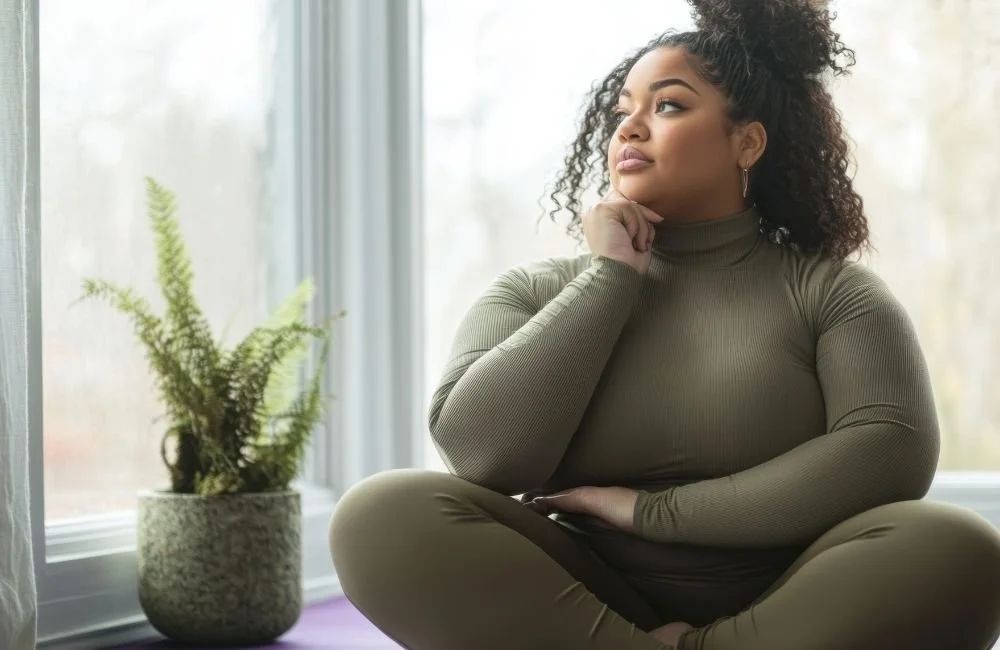
Have you ever found yourself wondering: How do I stay true to who I am without drifting apart from my partner?
It’s a question I hear all the time—and for good reason. In the heart of every relationship, there’s this beautiful (and sometimes messy) dance between closeness and individuality. Love naturally draws us toward connection. Growth, on the other hand, asks us to stand on our own. And healthy relationships? They invite us to do both.
But here’s the catch—most of us didn’t grow up with a clear model of how to do that.
Maybe we were taught that love means doing everything together, never disagreeing, or always meeting each other’s needs. Or we got the opposite message—that depending on someone is a weakness and independence is the only way to be strong.
So when we enter into love as adults, those old lessons show up. One partner might reach for connection, wanting more closeness, more reassurance. The other might pull back, craving space, autonomy, breathing room. Both are trying to feel safe. Neither is wrong. But this can create a painful push-pull dynamic that leaves both people feeling misunderstood.
Here’s what I want you to know:
The real goal in relationships isn’t perfect independence or total dependence. It’s growth through the relationship.
Early on, it’s easy to merge and feel in sync. But as time goes on, differences surface. That’s where the deeper work begins, not in staying the same, but in staying connected through our differences.
We don’t need to agree on everything. We don’t even need to experience things the same way. What we do need is the emotional muscle to say:
“I can be me. You can be you. And we can still be us.”
That’s what real intimacy looks like.
A Few Reflections to Support This Balance:
Know your pattern
Do you tend to over-function—taking on the emotional load? Or do you under-function—pulling away when things get intense? Awareness gives you choice.
Learn to tolerate differences
Being different doesn’t mean one of you is wrong. It just means you’re two unique humans building something together. Stay curious, even when it’s uncomfortable.
Own your part
When we get reactive, it’s easy to point fingers. But growth happens when we can say, “I notice I pull away when I feel overwhelmed,” or “I get anxious when I feel you drifting.” That’s emotional maturity.
Repair often
Every relationship has moments of disconnection. What matters is how you come back together. Repair isn't about fixing everything; it’s about returning to empathy and connection.
When couples do this work, something powerful happens. The relationship shifts from power struggle to partnership. From blame to shared responsibility. From “you’re the problem” to “we both have work to do.”
This is what interdependence looks like:
“I can stand on my own—and I love that I don’t have to.”
So if you’ve ever struggled with how much to give or how much to hold back, just know: you’re not broken. You’re human. And you're learning to love from a grounded, whole, adult place.
Let the tension grow you. Let the connection hold you. And remember—you don’t have to give yourself away to let love in.