
Appreciation as an Everyday Practice: Why Small Moments Matter Most in Love
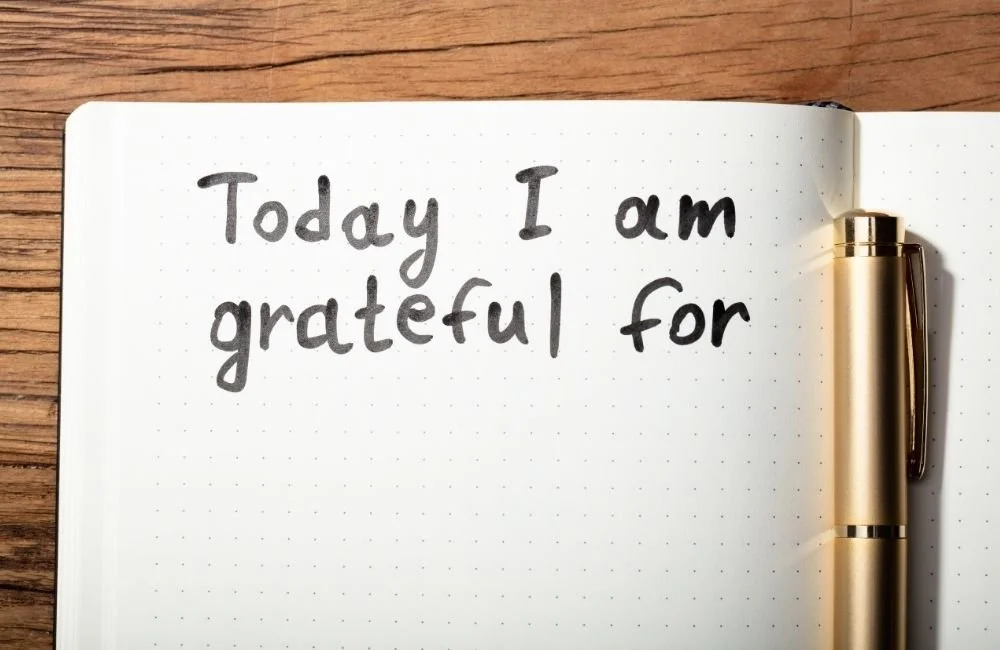
Thanksgiving is a time when many of us pause to reflect on what we're grateful for. It's a lovely tradition. But if appreciation in your relationship only shows up once a year around the dinner table, your partnership may be missing one of its most important sources of nourishment.
In my work with couples, I see this often. Partners love each other deeply, yet over time they stop saying so. Life gets busy, routines take over, and the things we once noticed and celebrated about each other start to fade into the background. What remains most visible is what's going wrong.
Why We Stop Noticing
Our brains are naturally wired to pay more attention to problems than to what's working. In a relationship, that means we can easily notice the dishes left in the sink while overlooking the fact that our partner filled the car with gas, made the coffee, or handled a tricky conversation with the kids.
Over time, this can leave both partners feeling taken for granted. And when people feel unseen, they often become less generous, more guarded, and quicker to criticize, which creates even less to appreciate. It's a cycle, but it's one that can be reversed.
Cherishing: A Winning Strategy
Terry Real, the founder of Relational Life Therapy, describes cherishing as one of the essential strategies for a thriving relationship. Cherishing goes beyond politeness. It's an active, intentional choice to value your partner and let them know it.
Real puts it simply: "Keep your eyes on the prize. Remember the person you're speaking to is someone you love. If you can't remember that because you are too angry and hurt at the moment, at least remember you have to live with them."
I love this because it's so honest. Appreciation doesn't mean pretending everything is perfect. It means holding onto the bigger picture of who your partner is and what you're building together, even in difficult moments.
Turning Complaints Into Connection
Another of Real's ideas that I share often with couples is this: "Every complaint is really a wish."
When we feel frustrated with our partner, underneath the complaint is usually a longing for something: more help, more closeness, more attention. Appreciation helps create the kind of relationship where those wishes can be heard. When your partner feels valued, they're far more open to hearing what you need.
Simple Ways to Practise Everyday Appreciation
Be specific. "Thanks for everything" is nice, but "I really appreciated how you handled bedtime tonight so I could rest" lands much more deeply.
Notice the ordinary. Appreciate the everyday things: the lunches packed, the bills paid, the text checking in on you. These small acts are the backbone of a shared life.
Say it out loud. Many of us feel appreciation privately but never express it. Your partner can't feel what you don't share.
Appreciate who they are, not just what they do. Let your partner know what you admire about their character: their patience, their humour, their kindness.
Make it a ritual. Try sharing one appreciation with each other every evening, maybe over dinner or before bed. It takes less than a minute and can shift the whole feeling of your relationship.
Start hard conversations with appreciation. Before raising a concern, name something you value about your partner or about their willingness to talk. It sets a tone of partnership rather than attack.
A Thanksgiving Invitation
This Thanksgiving, I invite you to try something simple. Sometime over the long weekend, tell your partner three specific things you appreciate about them. Then keep it going. Let this be the start of an everyday practice, not a once-a-year event.
Small moments of appreciation, repeated over time, build a reservoir of warmth and goodwill that helps carry couples through life's harder seasons. And the best part? It's a practice you can begin today.